Psychology for Real Life

Understanding yourself more deeply—and turning that understanding into meaningful change.

I’m Dr. Stephen Stotland, a psychologist, writer, researcher and teacher.

For more than 30 years, I have studied how people change: how biology, experience, emotion, behaviour and circumstance come together, and how greater understanding can create new possibilities.

My work is compassionate but practical. Insight matters, but insight alone is rarely enough. Lasting change also requires structure, experimentation and the willingness to engage with life differently.

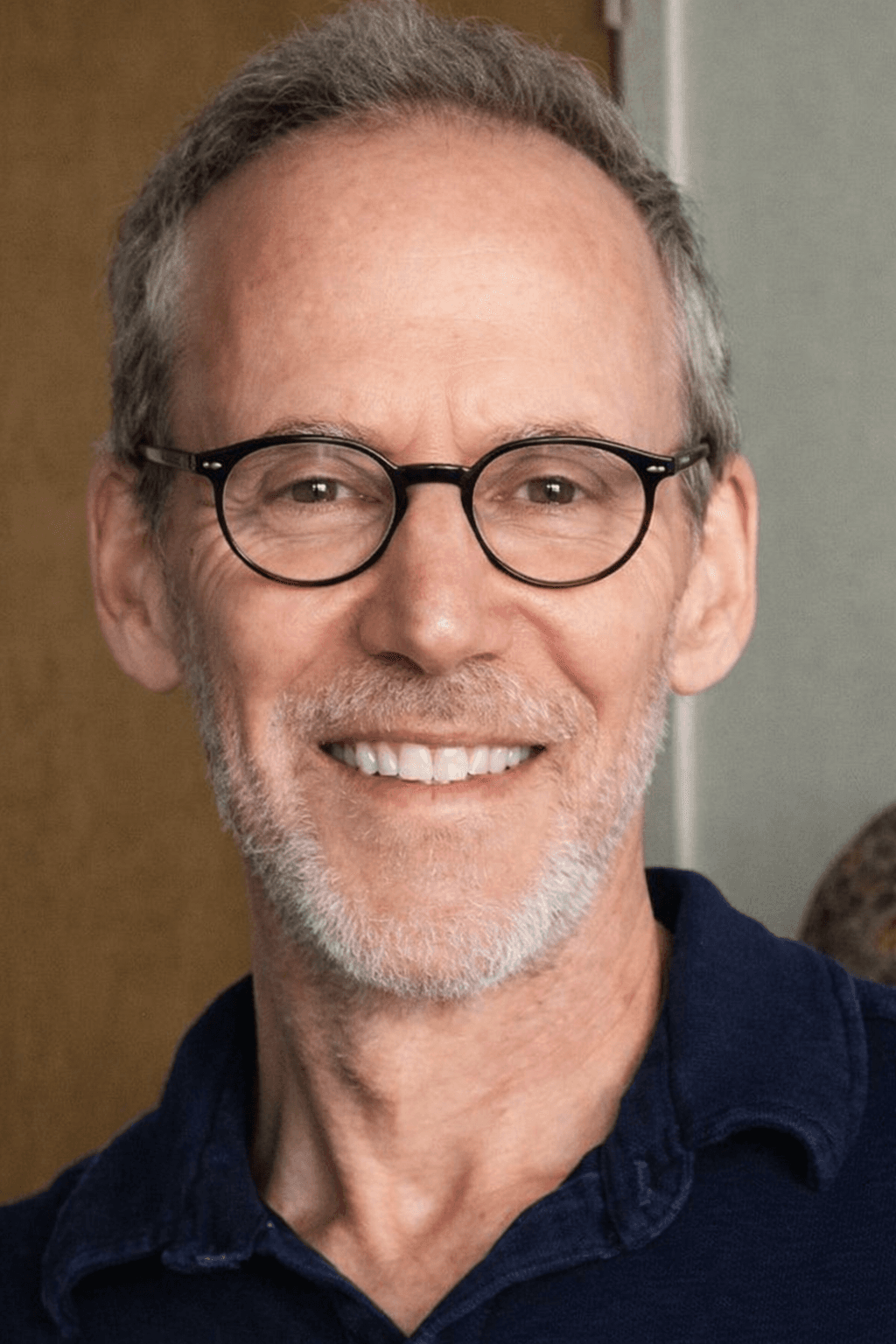
Portrait of Dr. Stephen Stotland.

You are not a problem to be fixed.

But some of the ways you learned to cope, protect yourself or get through difficult circumstances may no longer be helping you live the life you want.

Meaningful change begins by making sense of those patterns without reducing everything to weakness, failure or lack of willpower. From there, we can begin to develop new ways of responding—with greater awareness, flexibility and intention.

Mind, body, emotion and behaviour are always in conversation. Effective psychological work needs to take the whole person into account.

Three ways to explore my work

Psychology that moves between reflection and real life.

01

Therapy & Assessment

For people facing stress, burnout, chronic pain, self-doubt, relationship difficulties, life transitions or a broader sense of being stuck.

Our work can combine deeper psychological exploration with practical steps toward greater clarity, self-regulation and engagement in life.

Explore therapy and assessment


02

Weight, Eating & Health

For people struggling with emotional eating, chronic dieting, body distress, obesity, health concerns or the psychological demands of GLP-1 or bariatric treatment.

The goal is not simply greater control. It is a more informed, sustainable and less adversarial relationship with eating, health and yourself.

Explore weight, eating and health
03

Writing & Ideas

Essays on psychology, behaviour change, self-regulation, health, emotion and the challenge of living more consciously.

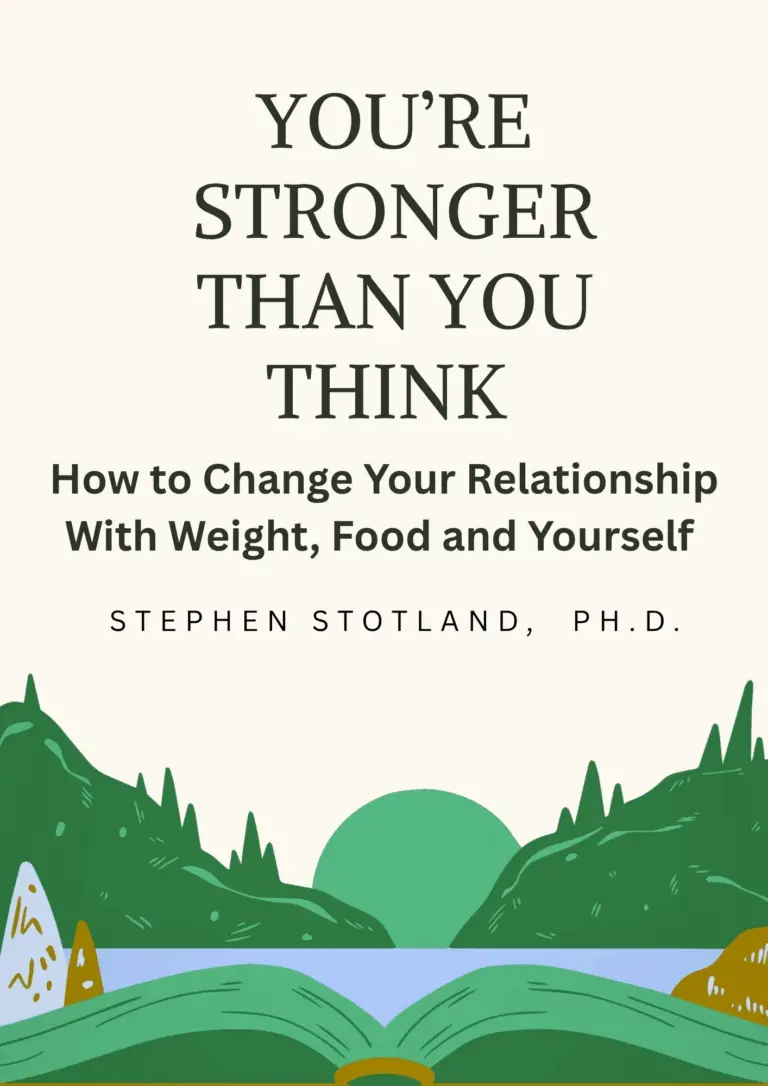
This is also where I share work connected to my forthcoming book, You’re Stronger Than You Think.

Read my writing

Understanding. Action. Deeper change.

My approach is integrative, collaborative and grounded in both psychological science and lived experience.

  1. 1

    See the full picture

    We begin by understanding what is happening from biological, psychological, relational and social perspectives.

    Your history matters, but so do your present circumstances, habits, relationships, health and the direction in which you want your life to move.

  2. 2

    Work with life as it is now

    Therapy is not only reflection.

    We identify practical changes that can improve how you feel, how you function and how you relate to yourself. Small, well-chosen experiments can begin to loosen patterns that once seemed immovable.

  3. 3

    Go deeper when it is useful

    As the work develops, we may explore longstanding protective strategies, emotional needs, self-image, relationships and questions of identity, meaning and direction.

    The purpose is not to force change. It is to create the understanding and conditions that allow something new to become possible.

Ideas for living and changing

Psychology is most useful when it helps us understand ordinary life more clearly.

My writing examines the burdens we carry, the needs beneath our habits, the limits of willpower and the ways greater awareness can become meaningful action.

View all writing
A weathered statue carrying a large globe.

The Weight of the World

Emotional burdens can shape how we think, move, eat and care for ourselves. Change begins by understanding what we are carrying—and how we have learned to carry it.

Read article
A river winding through a green wooded valley.

Hungry for Something More

Cravings are not always about food. Sometimes they point toward rest, connection, relief, meaning or another unmet need that has been difficult to recognize.

Read article

About Stephen

I have spent much of my professional life studying the psychology of change, particularly in relation to obesity, eating behaviour, self-regulation and the relationship between mind and body.

My work as a clinician, researcher, professor and writer has given me different ways of approaching the same fundamental questions:

Why do people continue patterns they understand are hurting them? What makes change possible? How do we become more coherent, more flexible and more fully ourselves?

Psychotherapy offers something rare: a place to think clearly, feel honestly and speak without pretense. I value the opportunity to bring knowledge, perspective, curiosity and care to that process.

More about me
  • Ph.D., Clinical Psychology – McGill University
  • M.A., Psychology – University of Toronto
  • Researcher, educator and international presenter
  • Based in Montreal
Forthcoming book

You’re Stronger Than You Think

A forthcoming book about change, self-regulation and becoming a more effective ally to yourself.

You’re Stronger Than You Think brings together psychological science, clinical experience, personal stories and practical strategies.

It is written for people who have struggled with weight, stress, self-doubt or persistent patterns that seem to resist both insight and willpower.

The book explores a more compassionate but demanding possibility: that lasting change becomes more likely when we understand ourselves accurately, work with rather than against our nature, and begin practising different ways of living.

Learn about the book
Book cover for You’re Stronger Than You Think by Dr. Stephen Stotland.
Montreal Comprehensive

Structured psychological care for weight management

I am the founder of Montreal Comprehensive Weight Management, a psychology-led service for people navigating obesity, emotional eating, GLP-1 treatment, bariatric care and sustainable health behaviour change.

Montreal Comprehensive offers a more structured clinical pathway than my personal practice, including assessment, focused programs and ongoing support.

Visit Montreal Comprehensive

A place to begin

You do not need to have everything figured out before reaching out.

A first conversation is an opportunity to describe what is happening, ask questions and consider whether my approach fits what you need.

The work asks for honesty and engagement, but not perfection.

Stephen Stotland, Ph.D.Psychologist · Writer · Researcher · TeacherMontreal, Quebec